The History and Theory of Civility
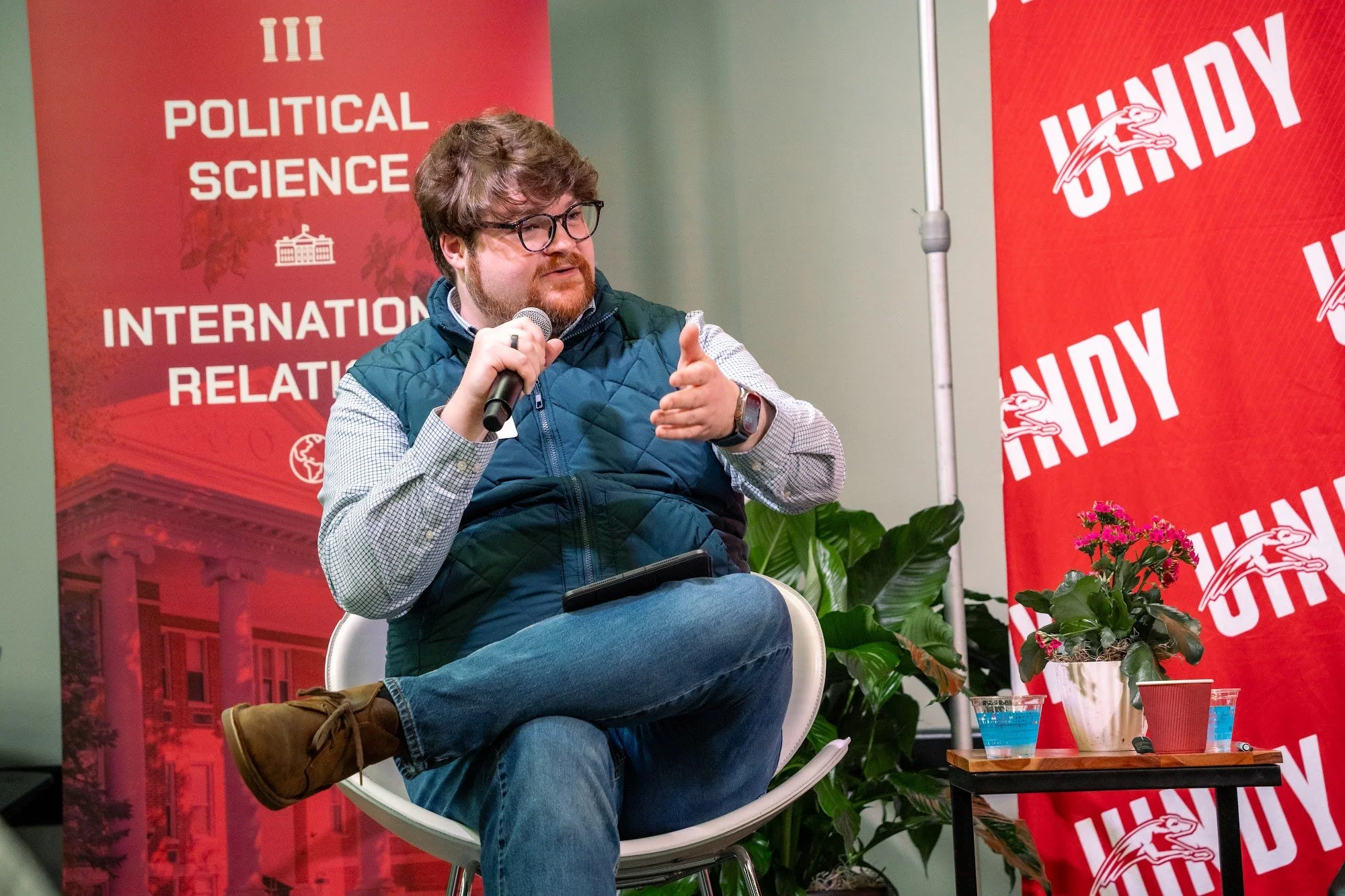
11th Annual Richard M. Fairbanks Symposium: Civility and Civic Leadership in the Circle City (with Deborah Mower)
University of Indianapolis, Indianapolis, IN, February 18, 2026
In short remarks for the 2026 Fairbanks Symposium, I offer a clear, practical account of what civility is and why it matters for democratic life. I distinguish civility from politeness, respectability, and conflict-avoidance, and trace its roots from Hobbes and Locke to Rawls’s “duty of civility.” Drawing on Stephen Darwall’s idea of recognition respect, I argue that civility is best understood as reciprocal civic constructiveness: engaging fellow citizens as equals even amid deep disagreement.